Why Dance Style Matters at Events
Music sets the tone, but dance defines the energy. The right dance style can transform a quiet gathering into a lively, memorable experience. Whether it’s a wedding, party, or corporate event, choosing the right kind of movement helps people loosen up, connect, and enjoy themselves without hesitation.
Different dance styles bring different moods. Some spark high energy, others create elegance, and a few encourage participation from everyone—even beginners.
How to Choose the Right Dance Style
Before picking a dance style, consider:
- Audience type – friends, family, colleagues
- Event theme – formal, casual, cultural
- Space available – large dance floor or limited area
- Music preference – familiar vs experimental
A good mix often works best, allowing guests to engage at their comfort level.
High-Energy Dance Styles That Get Everyone Moving
1. Freestyle Dance
Freestyle is the easiest and most inclusive option.
- No rules or steps required
- Encourages self-expression
- Perfect for mixed-age groups
It works especially well when guests may not be confident dancers.
2. Bollywood Dance
A favorite at many celebrations, especially in India, Bollywood dance blends expressive moves with upbeat music.
- High-energy and visually engaging
- Familiar songs encourage participation
- Ideal for weddings and festive events
Even simple Bollywood steps can get a crowd excited quickly.
3. Hip-Hop
Hip-hop brings attitude and rhythm to the dance floor.
- Great for younger crowds or modern events
- Works well with DJs and upbeat playlists
- Encourages individuality and style
You don’t need to master moves—just follow the beat.
4. Salsa
Salsa adds a touch of elegance and interaction.
- Partner-based, encouraging connection
- Rhythmic and engaging
- Ideal for smaller or more intimate gatherings
It can also double as a fun activity if guided briefly.
Interactive and Group-Friendly Dance Styles
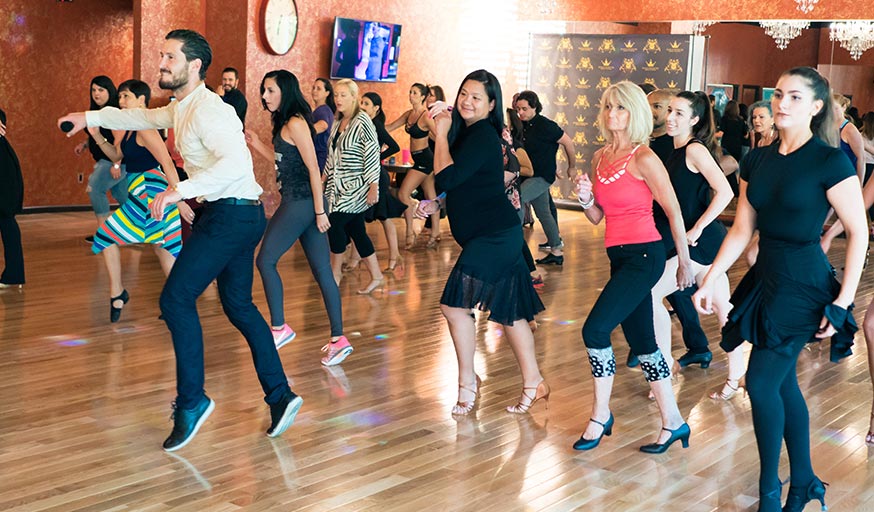
5. Line Dancing
Perfect for getting everyone involved at once.
- Simple, repetitive steps
- No partner required
- Great for large groups
It creates a sense of unity and shared fun.
6. Garba and Dandiya
Traditional yet incredibly energetic, these styles are perfect for festive occasions.
- Circular group formations
- Easy to learn basic steps
- High participation and cultural richness
They instantly bring life to any celebration.
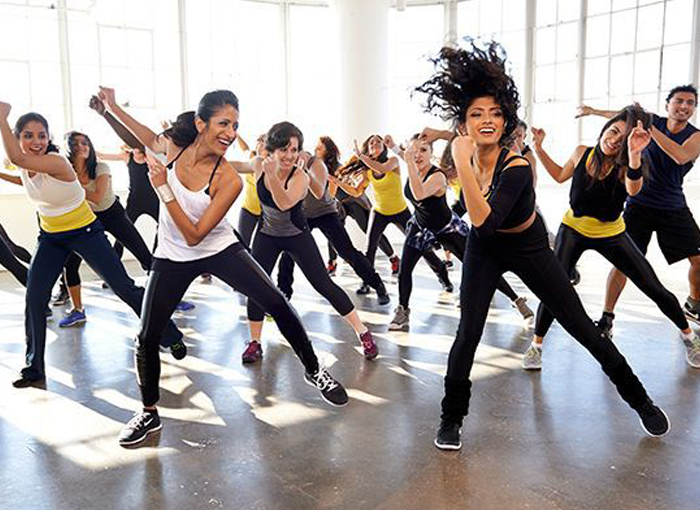
7. Zumba-Style Dance
Inspired by fitness routines, Zumba-style dancing is energetic and structured.
- Easy-to-follow routines
- Great for mixed skill levels
- Keeps energy high throughout the event
Ideal for daytime or casual gatherings.
Elegant and Relaxed Dance Styles
8. Slow Dance
Not every moment needs high energy.
- Perfect for romantic or emotional segments
- Creates intimate connections
- Ideal for weddings or special dedications
9. Contemporary Dance
For a more artistic and expressive vibe:
- Fluid, graceful movements
- Works well for performances
- Adds a creative touch to events
Tips to Maximize Dance Energy
To make the most of these styles:
- Mix styles to keep things fresh and inclusive
- Start simple before introducing complex moves
- Use familiar songs to boost confidence
- Encourage participation, not perfection
- Keep the energy flowing with smooth transitions
The goal is to create an environment where everyone feels comfortable joining in.
Common Mistakes to Avoid
Choosing Only One Style
This can limit participation and make the event feel repetitive.
Ignoring the Audience
A style that doesn’t match the crowd can reduce engagement.
Overcomplicating Steps
Simple and fun always beats technical and intimidating.
Making Dance the Highlight of Your Event
Dance isn’t just entertainment—it’s an experience that brings people together. When you choose the right styles and create a welcoming atmosphere, the dance floor becomes the heart of your event.
People may forget the details, but they’ll remember how they felt—and dance plays a big role in that.
FAQ: Dance Styles for Events
1. What is the easiest dance style for beginners at events?
Freestyle and line dancing are the easiest since they don’t require prior experience.
2. Which dance style works best for weddings?
Bollywood, slow dance, and group dances like Garba or line dancing are popular choices.
3. How can I encourage guests to try different dance styles?
Start with simple, familiar styles and gradually introduce variety.
4. Is it better to have a planned dance routine or spontaneous dancing?
A mix of both works best—planned moments create highlights, while freestyle keeps things relaxed.
5. Can traditional and modern dance styles be mixed?
Yes, combining them keeps the event dynamic and inclusive.
6. What if guests are hesitant to dance?
Create a comfortable environment and let a few people lead—others usually follow.
7. How long should dance sessions last at an event?
Keep them flexible, with breaks in between to maintain energy without causing fatigue.