More Than Music: Why Dance Changes Everything
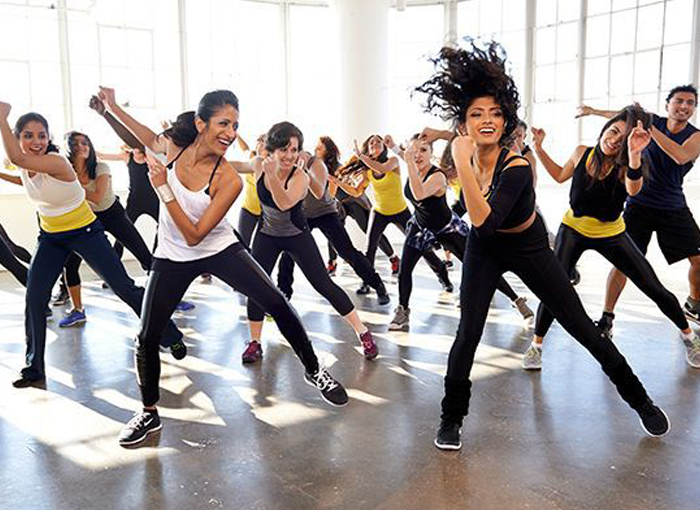
A party can have great food, a stylish setup, and the perfect playlist—but without movement, it often feels incomplete. Dance adds a dynamic layer that turns a gathering into something people feel, not just attend.
When people start dancing, the energy shifts instantly. Conversations loosen, barriers drop, and the atmosphere becomes more alive. What was once a social event becomes a shared experience.
The Emotional Power of Dance
Dance isn’t just physical—it’s deeply emotional. It allows people to express themselves without words.
- Breaks social awkwardness by giving people something to do
- Encourages connection through shared rhythm and movement
- Boosts mood instantly through music and physical activity
- Creates lasting memories tied to emotion and energy
Even the most reserved guests often find themselves tapping their feet or joining in once the vibe feels right.
How Dance Builds Instant Connection
Movement Creates Shared Energy
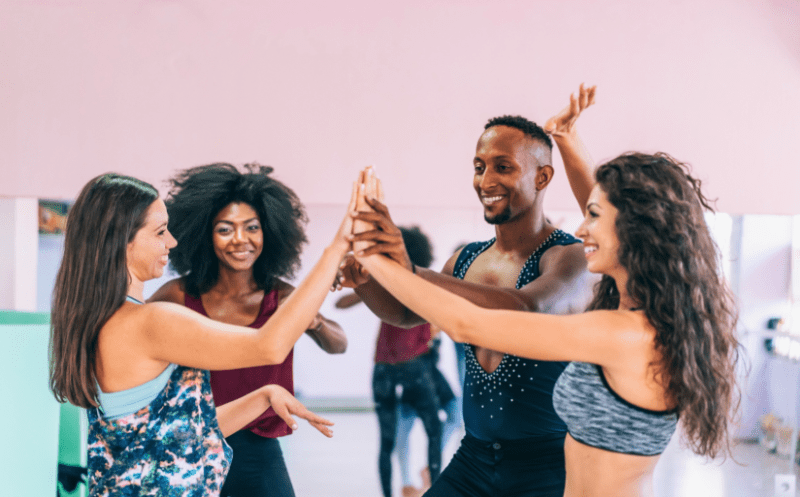
When people dance together, they sync—literally and emotionally. This shared rhythm creates a sense of unity that’s hard to achieve through conversation alone.
It Removes Social Barriers
Dance floors don’t care about status, background, or personality type. Everyone participates equally, which:
- Makes guests feel included
- Reduces self-consciousness over time
- Encourages spontaneous interactions
It Sparks Natural Interaction
A simple dance move, laugh, or shared moment can lead to conversations that might not happen otherwise.
Ways Dance Elevates Any Party
It Turns Passive Guests Into Active Participants
Without dance, guests often stay in small groups. With dance:
- People move around more freely
- Energy spreads across the room
- The event feels interactive rather than static
It Sets the Tone of the Event
The style of dance can shape the entire party vibe:
- Upbeat dance tracks → high-energy celebration
- Slow music → relaxed, intimate atmosphere
- Cultural or traditional dance → meaningful and rooted experience
It Creates Highlight Moments
Some of the most memorable parts of any party happen on the dance floor:
- Group dance moments
- Unexpected performances
- Spontaneous fun and laughter
These are the stories people remember long after the event ends.
How to Encourage People to Dance
Not everyone jumps onto the dance floor immediately. Creating the right environment makes all the difference.
Start with the Right Music
- Begin with familiar, crowd-friendly songs
- Gradually increase energy levels
- Mix genres to appeal to different tastes
Lead by Example
When hosts or a few guests start dancing, others follow. Energy is contagious.
Create a Comfortable Space
- Ensure enough room for movement
- Use lighting to set the mood (not too bright)
- Keep the area inviting rather than intimidating
Avoid Pressure
Encourage, but don’t force. People join in naturally when they feel comfortable.
Dance as a Universal Language
One of the most powerful aspects of dance is that it transcends language and culture. Whether it’s a traditional step, freestyle movement, or a simple sway to music, everyone can participate in their own way.
This inclusivity makes dance one of the easiest ways to bring diverse groups together.
Common Mistakes to Avoid
Overcrowded Dance Floors
Too little space can make people hesitant to join.
Poor Music Flow
Random or disconnected songs can break momentum.
Lack of Energy from the Host
Guests often mirror the host’s enthusiasm.
Turning a Party Into an Experience
Dance doesn’t require professional skills or choreography. What matters is the willingness to let go and be present.
When people dance, they stop overthinking and start enjoying. That shift—from observation to participation—is what transforms a party into something unforgettable.
FAQ: Dance and Party Experiences
1. Do people need to know how to dance to participate?
Not at all. Simple movements or even swaying to music is enough to be part of the experience.
2. What type of music works best for encouraging dance?
Familiar, upbeat songs with a clear rhythm tend to get people moving more easily.
3. How can introverts feel comfortable on the dance floor?
Starting in smaller groups or dancing casually without pressure can help ease discomfort.
4. Is a dance floor necessary for every party?
No, but having a designated space for movement helps create a natural focal point.
5. Can dance work in small gatherings?
Absolutely. Even a few people dancing can create a lively and memorable atmosphere.
6. How do you handle guests who don’t want to dance?
Respect their choice. They can still enjoy the party in other ways.
7. What role does lighting play in dance energy?
Lighting sets the mood—softer or dynamic lighting can make people feel more relaxed and expressive.