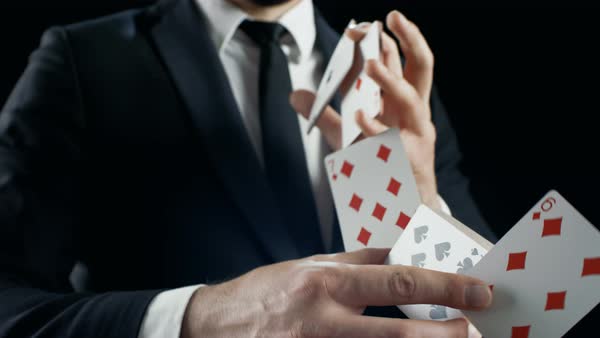
What Makes Professional Magicians So Captivating?
At first glance, magic looks like simple tricks and clever illusions. But behind every seamless performance lies a combination of skill, psychology, timing, and showmanship. Professional party magicians don’t just perform tricks—they create moments that feel impossible, leaving guests surprised, curious, and fully engaged.
Their true magic isn’t just in what they do, but how they make people feel.
The Core Skills Behind the Illusion
Sleight of Hand and Precision
One of the most essential skills is sleight of hand—the ability to manipulate objects so smoothly that the audience doesn’t notice.
- Requires years of practice and muscle memory
- Focuses on speed, control, and subtle movements
- Often happens right in front of the audience
This precision is what makes close-up magic feel so personal and convincing.
Misdirection: The Art of Attention Control
Magicians don’t just hide actions—they guide your attention.
- Direct your focus to one area while something happens elsewhere
- Use eye contact, gestures, and storytelling
- Create natural distractions without suspicion
Misdirection is a psychological skill that makes simple tricks appear extraordinary.
Timing and Presentation
A trick performed too quickly or too slowly can lose its impact.
- Perfect timing builds suspense
- Strategic pauses enhance surprise
- Delivery adds drama and excitement
Professional magicians understand that how a trick is presented matters as much as the trick itself.
The Psychology Behind Magic
Magic works because it plays with how the human brain processes information.
Expectation vs Reality
Magicians set up expectations and then break them.
- Your brain predicts what should happen
- The outcome defies that prediction
- This creates surprise and delight
Pattern Recognition
Humans naturally look for patterns. Magicians exploit this by:
- Creating familiar sequences
- Breaking them at the right moment
- Leaving the audience puzzled
Emotional Engagement
People remember how magic makes them feel:
- Curiosity
- Excitement
- Amazement
This emotional connection is what makes magic memorable.
Types of Magic Professionals Use at Parties
Close-Up Magic
- Performed directly with small groups
- Uses everyday objects like cards or coins
- Highly interactive and personal
Stage Magic
- Designed for larger audiences
- Includes visual illusions and dramatic effects
- Often used as a central performance
Mentalism
- Focuses on mind-reading and predictions
- Creates a sense of mystery and intrigue
- Popular in corporate and adult events
Why Experience Matters in Professional Magic
A professional magician brings more than just tricks—they bring experience.
- Ability to read the audience and adjust performance
- Confidence in handling unexpected situations
- Smooth transitions between tricks
- Strong communication and stage presence
Experience ensures the performance feels natural, engaging, and polished.
The Role of Personality and Showmanship
Magic alone isn’t enough—personality makes it shine.
- Humor keeps the audience relaxed
- Storytelling adds depth to tricks
- Charisma builds connection
A great magician entertains even before the trick begins.
How Magicians Adapt to Different Events
Professional magicians tailor their performances based on the event:
- Weddings: Light, interactive, and family-friendly
- Corporate events: Sophisticated and engaging
- Private parties: Fun, flexible, and personalized
- Kids’ events: Visual, playful, and easy to follow
This adaptability is what makes them suitable for almost any setting.
Common Misconceptions About Magic
It’s All About Tricks
In reality, performance and presentation are just as important.
It’s Only for Kids
Modern magic appeals strongly to adult audiences as well.
It’s Always the Same
Professional magicians constantly evolve and customize their acts.
The Real Secret Behind the Magic
The real secret isn’t hidden in props or techniques—it’s in the combination of practice, psychology, and performance. Every movement, pause, and word is carefully designed to create a seamless illusion.
What feels effortless to the audience is often the result of years of dedication behind the scenes.
FAQ: Professional Party Magicians
1. How long does it take to become a professional magician?
It often takes years of practice to master techniques and performance skills.
2. Are magic tricks based on science or illusion?
Most tricks rely on illusion, psychology, and skill rather than actual science.
3. Can magicians perform for any audience size?
Yes, they adapt their style—from close-up magic for small groups to stage shows for large audiences.
4. Do magicians repeat the same tricks at every event?
Professional magicians usually customize their performances based on the audience.
5. Is audience participation necessary in magic shows?
Not always, but it often enhances engagement and makes the experience more memorable.
6. What makes a magician “professional”?
Skill, experience, audience engagement, and the ability to perform consistently at a high level.
7. Why do people enjoy magic so much?
It creates a sense of wonder by challenging what we believe is possible.